

January 14, 2026
Setting Your Company Culture? Make Sure Your Office Reflects It
By Spacio Team
January 14, 2026
By Spacio Team
The design of your office space should serve as a visual representation of your company’s values. There’s two main ways to cultivate that sense of culture from the moment employees and clients walk through the door.
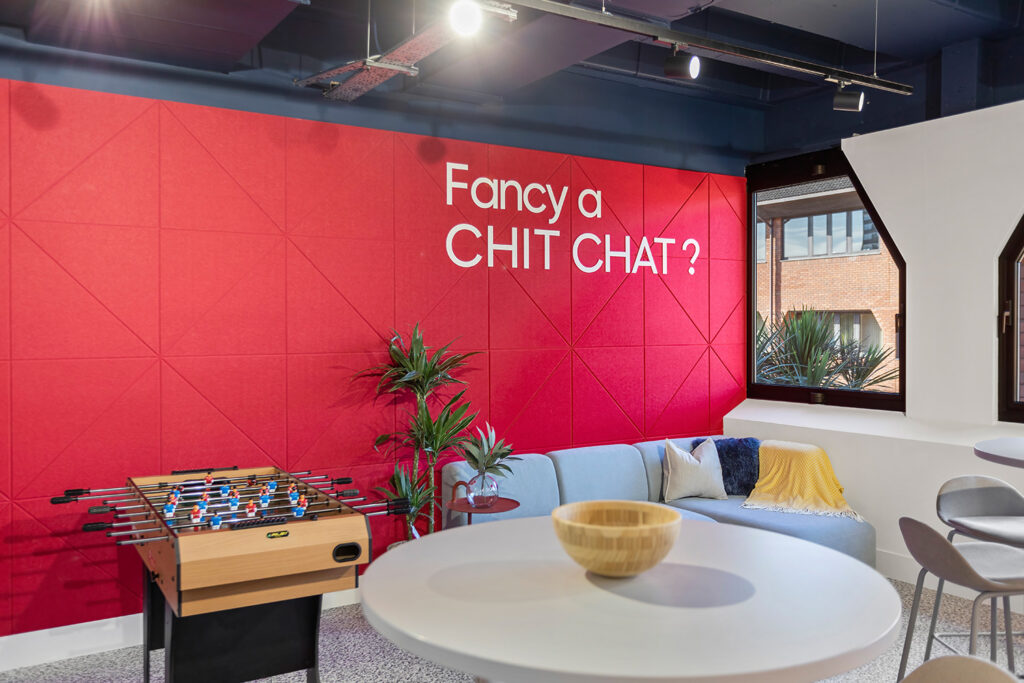
The colours and decor used in your office design can mirror your brand’s personality. For example, using your company’s brand colours in your office design strengthens your identity. A financial services firm might opt for calm, reliable blues, while a creative agency may favour bold, vibrant colours to showcase innovation.
Choosing the right office furniture and layout not only conveys your brand image but also defines how your teams interact. Open-plan spaces can represent transparency and collaboration, while private offices may suggest confidentiality and focus. For instance, a legal firm might prefer a more traditional, compartmentalised office design, emphasising discretion.
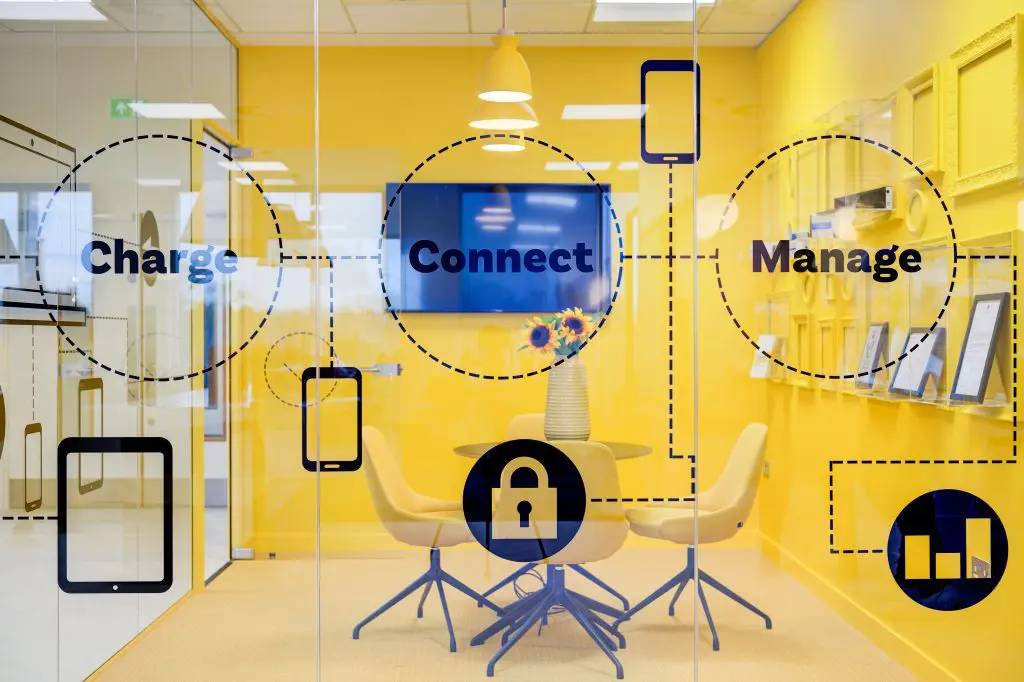
Encouraging teamwork and communication within the office is a key driver of innovation, productivity, and also a great way to increase how well your junior employees learn and progress. Your office design should reflect this – and this is how:
1. Open Plan Spaces for Interaction: Flexible, open spaces create opportunities for spontaneous conversation and idea-sharing. Incorporating communal workstations or breakout areas invites employees to collaborate without the need for formal meetings.
2. Collaborative Zones: Designating specific areas for collaboration, such as pods or creative hubs, allows teams to work together more effectively. These spaces should be adaptable, featuring modular furniture that can be reconfigured based on the needs of the moment.
3. Balancing Collaboration and Focus: Whilst old-fashioned cubicle style spaces can limit this interaction, office pods are making a comeback as a way to balance open spaces with specific areas designed for focused work.
By blending collaborative and private spaces, your office design supports a culture where teamwork flourishes, but employees also have the space they need to focus and perform at their best.
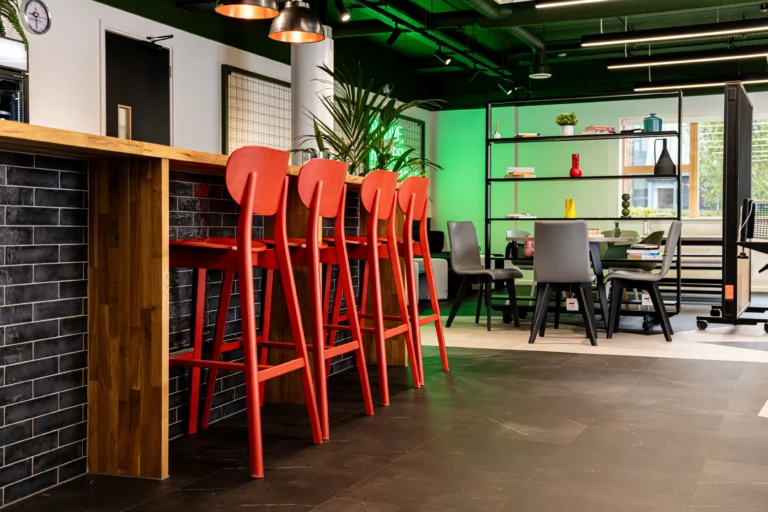
We spend a lot of our lives in offices, and so it plays a direct role in employee well-being. Businesses that promote well-being through thoughtful design are more likely to foster a positive company culture.
1. Biophilic Design and Natural Features: Incorporating nature into your office, such as through plants, natural light, and water features, can reduce stress and improve mood. This design approach, known as biophilic design, creates a calming atmosphere that supports employee health and creativity.
2. Quiet Zones and Wellness Areas: Offering dedicated spaces where employees can take a break, recharge, or manage stress helps promote work-life balance. Providing these quiet spaces shows your team that you care about their mental and physical health, which can boost overall job satisfaction and productivity.
3. Ergonomics: Ensuring that your office is equipped with ergonomic furniture is crucial for long-term employee well-being. Adjustable chairs, standing desks, and well-designed workstations can help prevent physical discomfort, allowing employees to work comfortably and efficiently.
An office design that prioritises health not only enhances productivity but also promotes a culture that values its people – in turn, its people value its culture.
We’re always ready to talk, whether it be in the comfort (or not) of your office, or online. Drop us a message or arrange a visit to discuss your exciting project.
Contact us