

July 2, 2026
Designing for Well-being: Creating Healthier, Happier Workplaces
By Spacio Team

July 2, 2026
By Spacio Team
The way a workplace is designed directly influences how employees feel, perform, and connect with each other. From the flow of natural light to the comfort of a chair, every design choice impacts well-being. And with more businesses across the UK focusing on staff retention and productivity, creating healthier, happier workplaces has never been more important.
A workplace that prioritises well-being isn’t just nicer to look at – it can improve engagement, reduce absenteeism, and support long-term growth. Research shows that offices designed with health and comfort in mind can boost performance, encourage collaboration, and foster loyalty. By investing in the physical and psychological needs of employees, businesses set themselves apart as forward-thinking and people-first.
Understanding the importance is easy, but putting it into practice is a touch harder – luckily, we’ve broken down some potential approaches below.
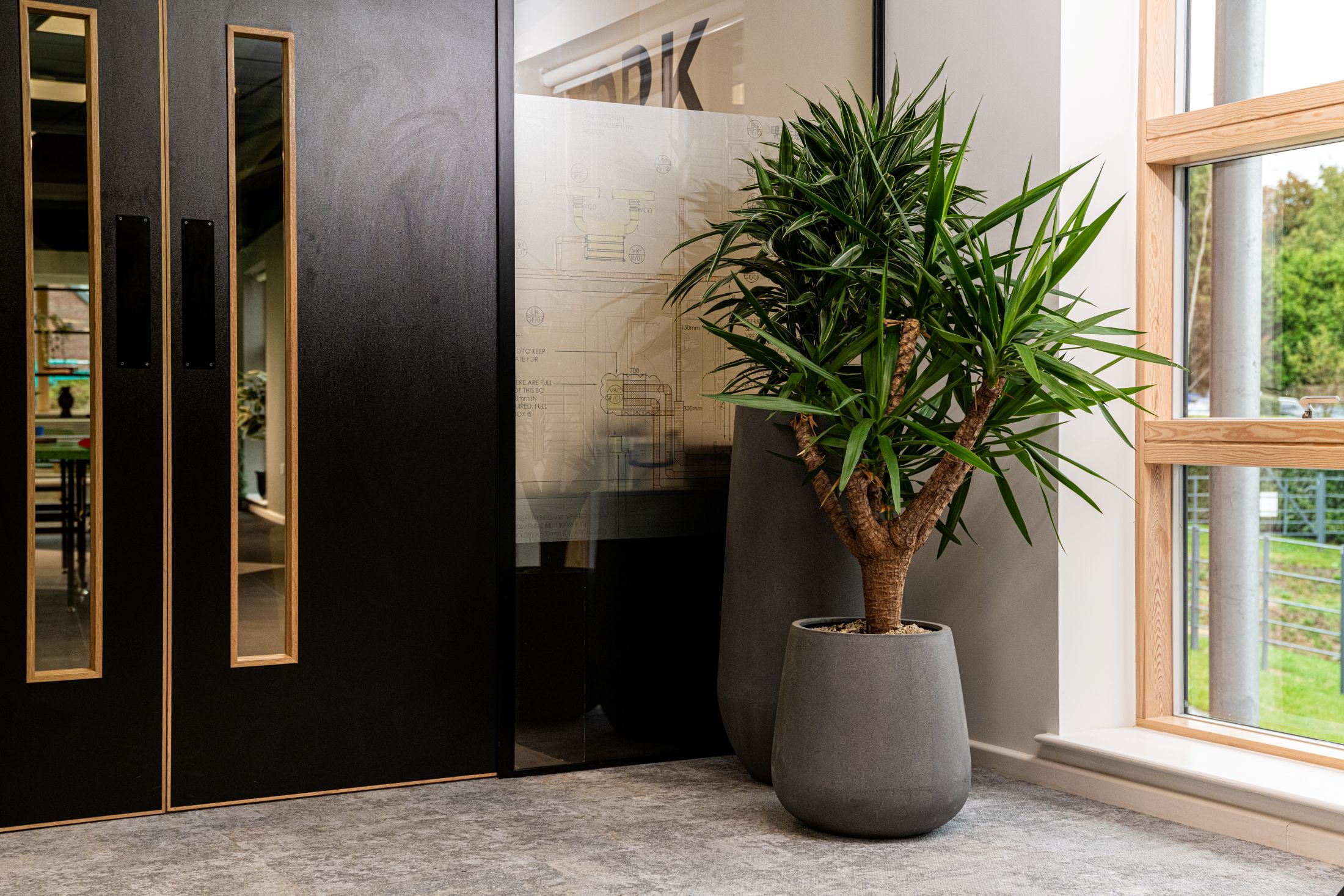
One of the clearest ways to improve workplace well-being is through biophilic office design – the practice of connecting people with nature indoors. Benefits include:
Reduced stress and improved mood through greenery and natural textures.
Better air quality and acoustics using living walls or plants.
Higher creativity and focus from natural patterns and organic materials.
Integrating biophilia can be as simple as adding plants and natural finishes, or as ambitious as designing courtyards and green roofs. Either way, the positive impact on employee well-being is tangible.
Comfort is a key part of productivity. An ergonomic office layout considers posture, circulation, and movement to prevent discomfort and long-term health issues. Some practical tips include:
Adjustable desks and chairs that support different body types.
Monitors at eye level to reduce neck and back strain.
Flexible layouts with space for both sitting and standing work.
Clear pathways to encourage movement and reduce clutter.
An ergonomic design doesn’t have to be complicated, it’s about anticipating how people use a space day to day and creating a layout that supports them.
Natural light is one of the most valuable resources in a workplace. Studies consistently show that access to daylight improves sleep quality, mood, and alertness. In office design, this means:
Positioning workstations near windows where possible.
Using glass partitions or light wells to maximise daylight penetration.
Choosing finishes and colours that reflect, rather than absorb, natural light.
Getting this right helps create spaces that feel energising rather than draining, supporting both health and productivity. A workplace consultancy team can help you figure out how to achieve this delicate balance.
Beyond the physical environment, workplaces also play a role in supporting mental health. Thoughtful design can help reduce anxiety and create a sense of safety and inclusion. Examples include:
Quiet zones for focus or decompression.
Breakout areas that encourage informal conversations.
Inclusive facilities that consider accessibility and diverse needs.
Spaces designed with calming colours and textures.
By putting mental health at the heart of design, businesses can create offices where people feel supported both professionally and personally.
Designing for well-being means balancing beauty, function, and empathy. Biophilic features, ergonomic layouts, natural light, and mental health considerations all play a role in shaping healthier, happier workplaces. At Spacio, we believe great design should enhance the lives of the people who use it every day.
Need our workplace consultancy services to create a healthier, happier workplace? Get in touch.
If you’d like to explore how your office could fully support the work of your team, going beyond legal compliance, get in touch.
Contact us